
A campaign slogan, because in this pre-election period, the campaign has suddenly become interesting to our candidate decision-makers. The yellow vests have been there, Covid has been there, and the hot topics today are living well, eating well, producing well, and consuming well.
In short, we want good things all around us, and it seems that "all around us" is mostly in the countryside! This is evidenced by the renewed interest in the real estate market in medium-sized towns, small towns, and the countryside. This is further evidenced by some of the most brilliant businessmen, who are often also the most predictive because they have the ability to see where the good deals are before anyone else. Many of them are now investing in land. Leading the way is Bill Gates, who has quietly and without much fanfare become the largest landowner in the United States!
Towards a new rurality, an oxymoron because what primarily defines rurality is the land, heritage, know-how, a certain way of life rooted in history, so deeply rooted that in recent decades it had even become a world that was almost forgotten. In these circumstances, how can we juxtapose words such as NEW and RURALITY, which, at first glance, have nothing to do with each other? Relegated to the status of forgotten lands, our countryside was seen as abandoned, land only good for cultivation by a handful of farmers, fewer and fewer in number, who were asked to produce for 80% of the population concentrated in cities.
For a long time, we believed, or rather were sold the idea, that pleasure was to be found elsewhere, in those big cities that offered comfort, luxury, and consumer goods on every street corner. Numerous comfortable buildings to live in, asphalt so as not to get your shoes dirty, domesticated green spaces, and white-collar jobs. Whether an urban legend or a true paradise on earth, the appeal of cities has never been denied for nearly half a century. Cities have certainly been criticized, but each time they have managed to cloak themselves in new finery, renew themselves through urban planning, and revisit their way of inhabiting space. However, this has never been done with a view to rebalancing land use!
Under these circumstances, how can we even talk about a new rurality? What's new under the sun of our green meadows today, you might ask? And besides, should we even think about it, mention it, or wish for it? Urbanites through and through will say that they are happy as they are. Rural dwellers who want to preserve their land and their "home" may protest, fearing the artificialization of the soil and a certain denaturation of their spaces and lifestyles.
Except that the status quo doesn't seem to make everyone happy? While the city is wonderful for those who can afford it, it remains difficult to live in for those who cannot access its charms.
Except that a virus came along and brought the world to a standstill. Planes folded their wings, ships tightened their moorings, trains remained at the station, and cars stayed in the garage, while behind our screens we were shown a wild boar wandering the streets of Barcelona, or a basking shark venturing into the port of Brest. What a strange situation! Each of us at home, confined to a few square meters, we found ourselves alone with ourselves, with the feeling that we had perhaps built our own prison, a modern prison of varying sizes and numbers of square meters, depending on whether or not we had the privilege of living in the countryside. In this ecstatic moment, we learned to live differently, with our minds freed in part from the aggressions of daily life and the stimuli of advertising. Freed from artificial paradises and addictions of all kinds—shopping, the daily grind of commuting to work, sleeping, and so on—we revisited our hierarchy of values. And then maybe we just got scared?
Surveys on the aspirations of French people already showed us that the movement was underway, but the health epidemic that has struck the entire planet has undoubtedly accelerated the phenomenon.
In short, in a world where politics and voters seem to be inseparable, in France and elsewhere, in a world marked by the rise of extremes, in a world where social divisions are increasingly numerous, where economic inequalities persist, and where wealth no longer seems justified by people's efforts or contributions to the common good, in a world threatened by financialization and global warming, my prediction is that tomorrow will be written in rural areas. When we lose our sense of meaning and our bearings, we need to hold on to what is essential. And what is essential is the earth that nourishes us, without which humanity would cease to exist. I do not believe for a moment in the end of cities or a massive urban exodus, but I do believe in a gradual, structural evolution with population movements that will take place over two or three decades and will result in more livable, more habitable cities and more populated, more vibrant countryside.
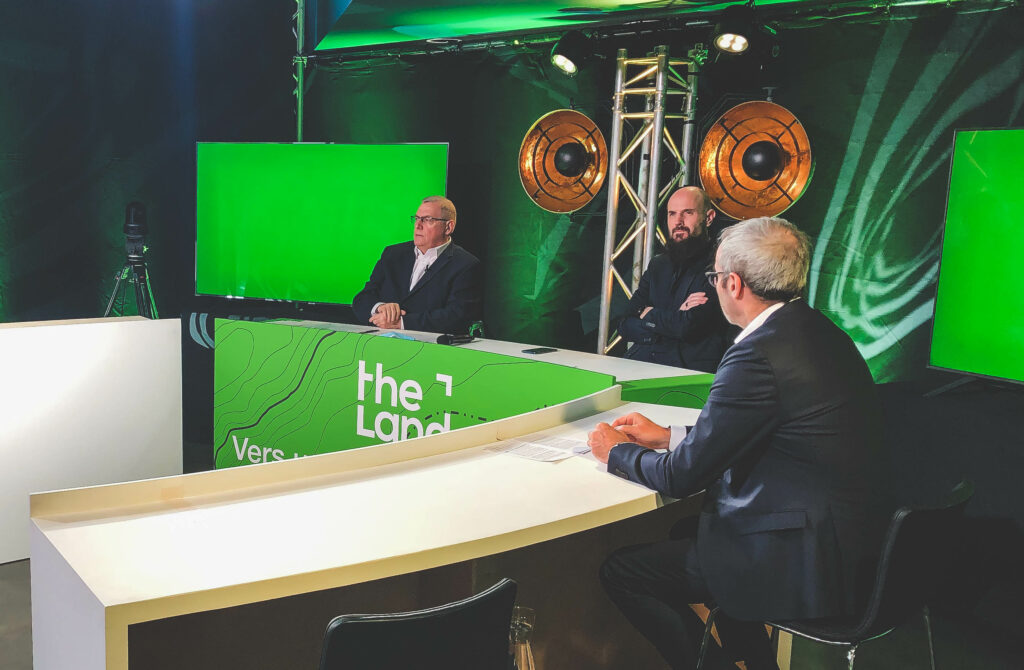
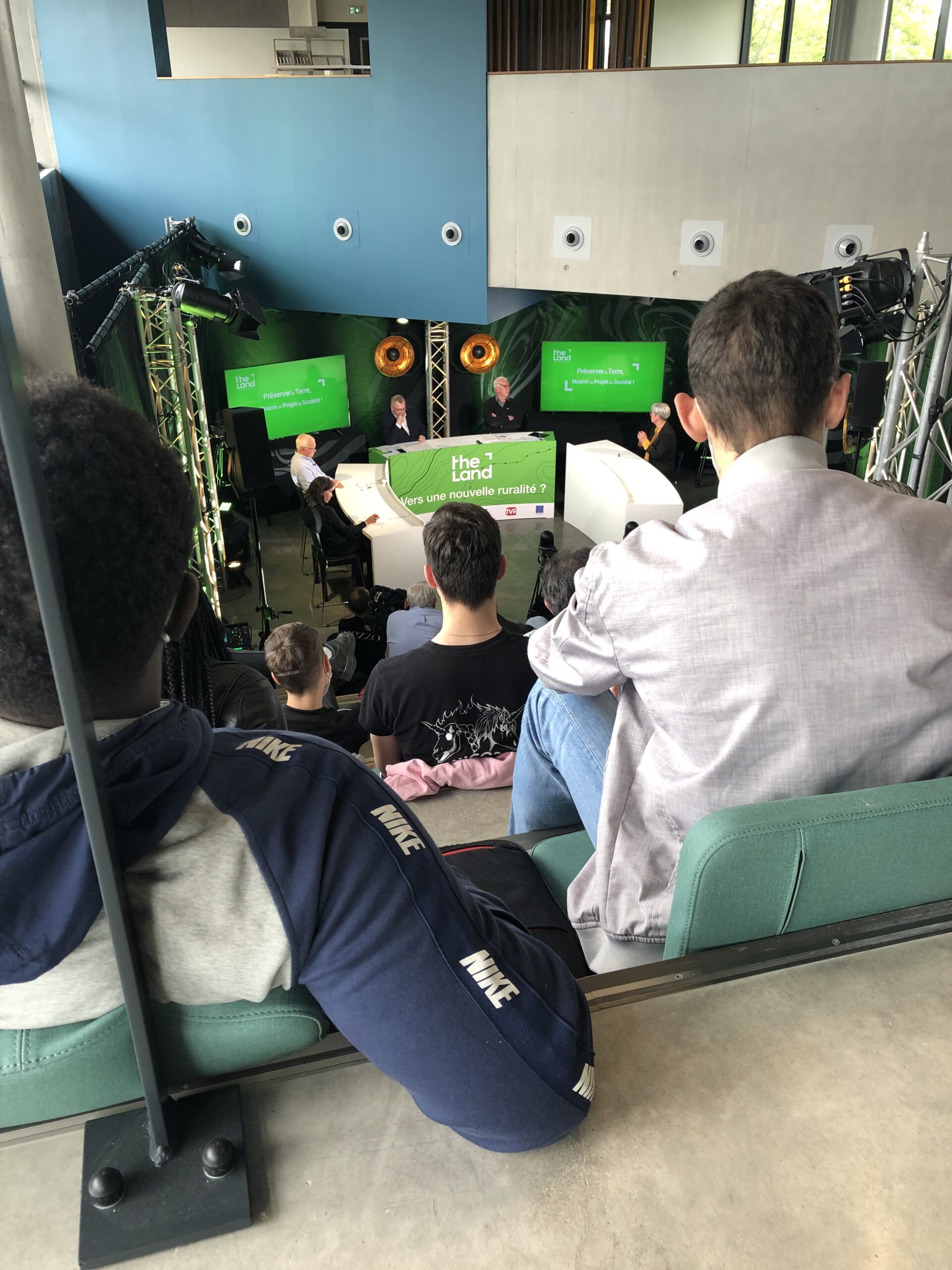
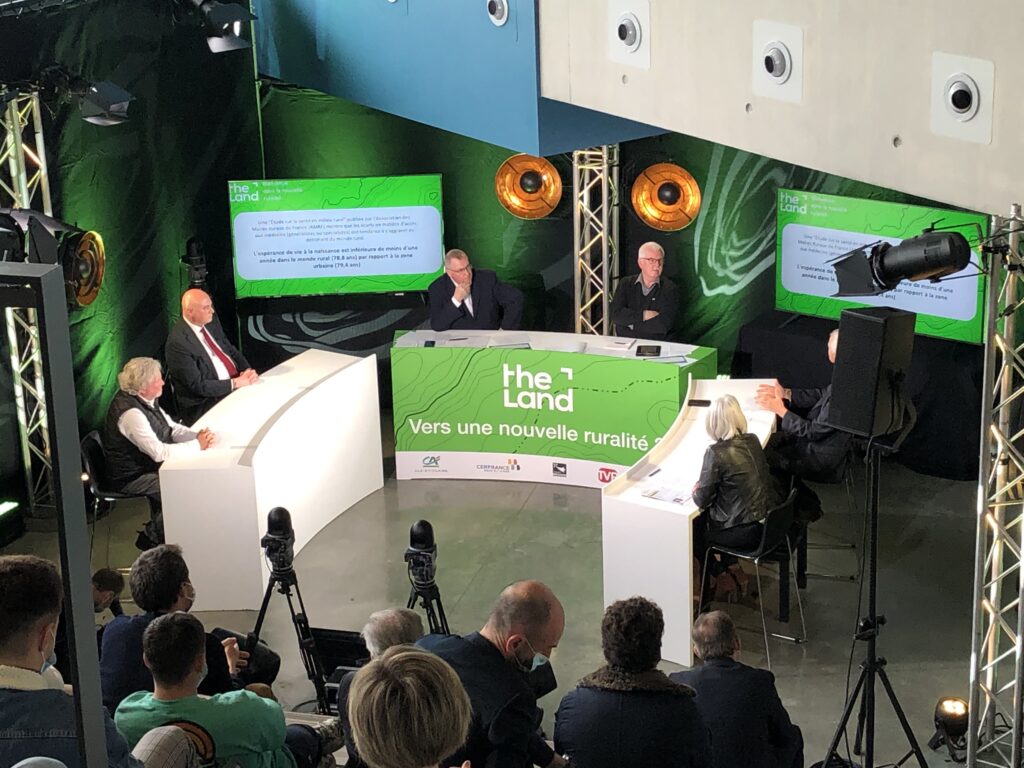
Who will be the key players in rural life tomorrow? Who are the pioneers today? How should we approach the conditions for this revival of our countryside, with restraint and intelligence of course, but since the obvious is sometimes more difficult to implement than it seems, the 1st European Symposium on New Rurality took a necessary forward-looking approach, bringing together a number of players and experts to enlighten us on the right way to approach the rurality of tomorrow. The conclusions of this symposium will soon be available in a publication accessible to all.
Jean-Marc Esnault
Managing Director, The Land
Founder and organizer of the 1st European Symposium on New Rurality
Founder of the Terre d'avenir – Tomorrowland think tank

