
Whether you are looking for meaning, new encounters, or skills, there are countless opportunities to get involved in concrete, value-driven projects. Volunteering, woofing, youth work camps, eco-volunteering... there are so many experiences to be had that will help you develop a more humane, supportive, and responsible worldview.
On The Land Campus, two schools in particular make commitment a cornerstone of their programs.
- The 3A School, which specializes in responsible management and the social and solidarity economy (SSE), encourages its students to engage with the real world in order to understand the challenges of solidarity, both here and elsewhere.
- The Odicé school, dedicated to sustainable tourism and positive impact travel, encourages its students to explore differently, placing human encounters, simplicity, and ecological awareness at the heart of their journeys.
- The ERE school, which focuses on careers in social and environmental responsibility, trains managers to lead projects that are beneficial for the future of the planet and for the future of the company, by creating positive human dynamics.
Volunteering: getting involved locally, in a practical way
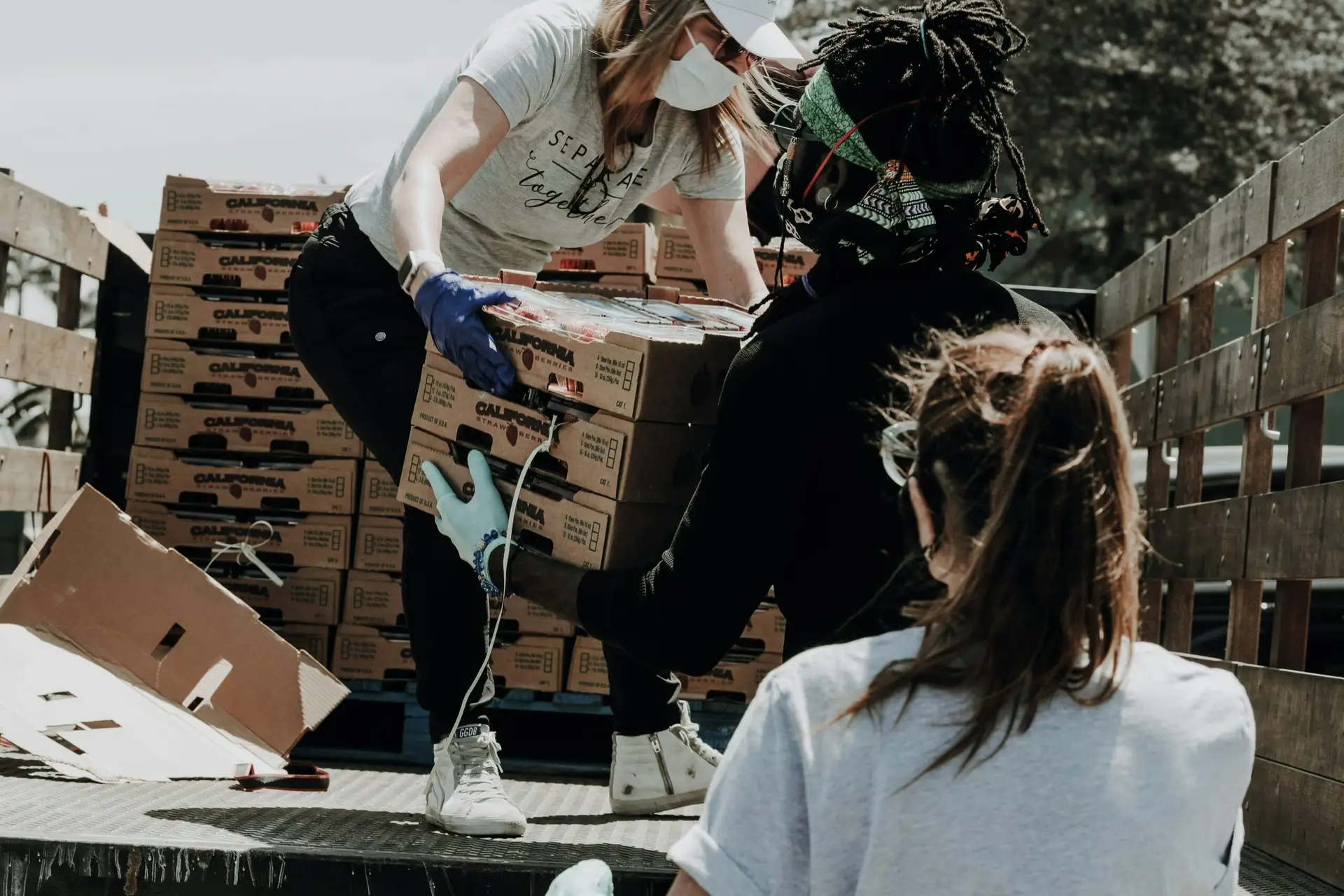
Giving a few hours a week to an association, a third place, a community, or an NGO is a first step toward social and solidarity action. Food aid, outreach, mediation, tutoring, neighborhood activities, or festival logistics: there is no shortage of needs, especially during the summer.
→ The JeVeuxAider.gouv.fr website lists a bunch of volunteer opportunities open to anyone aged 16 and over.
Woofing: working the land and learning humility
Woofing (World Wide Opportunities on Organic Farms) is attracting more and more young people who want to slow down, reconnect with nature, and enjoy a community experience.
On an organic farm in France or abroad, woofers participate in agricultural activities (harvesting, caring for animals, maintaining the vegetable garden, etc.) in exchange for accommodation and meals.
It is a total immersion in an alternative lifestyle that challenges our relationship with consumption, work, and the environment.
At Odicé, where people are trained in sustainable tourism professions, these stays are seen as formative experiences: learning to live together, to produce locally, to consume less and better.
At 3A, they are also seen as drivers of personal and professional transformation, in line with the circular economy and the relocation of practices.
At ERE, this type of experience helps us understand the concrete challenges of ecological transition, giving us a hands-on understanding of what it means to produce differently, in harmony with ecosystems. It is also a way to reflect on a more sober and ethical form of leadership.
Youth construction projects: building together
Renovating a mill, building a trail, organizing a rural festival... Youth volunteer projects enable young people to get involved in collective projects with a strong local impact. Supervised by associations or local authorities, these projects bring together young people from all walks of life to share a communal living experience.
These adventures teach cooperation, adaptability, and respect for differences— key skills for future professionals in tourism, sustainable development, and international solidarity.
Eco-volunteering: taking concrete action for the planet
Many programs offer young people the opportunity to get involved in protecting biodiversity: species monitoring, raising public awareness, reforestation, preserving natural habitats, etc. These missions can take place in France or abroad, sometimes in remote areas.
Examples of organizations: France Volontaires, Planète Urgence, Projects Abroad, VolonTerre Africa, etc.
ForOdicé students, it is a way to combine tourism and ecology in the field.
For those in 3A, these missions are a natural extension of lessons on common goods, territories in transition, and global solidarity.
At ERE, these experiences enable us to embody CSR issues by implementing concrete actions in the areas of regeneration, environmental education, and shared governance. It's a way of moving from theory to real impact.
To commit is to educate oneself
To commit means:
- Opening up to new cultures and realities
- Developing independence, creativity, and a sense of responsibility
- Acquire human and professional skills that are valued in many sectors
- Give meaning
On The Land Campus, the 3A, Odicé, and ERE schools are training a new generation of responsible professionals capable of combining meaning, action, and transformation of the world.

