
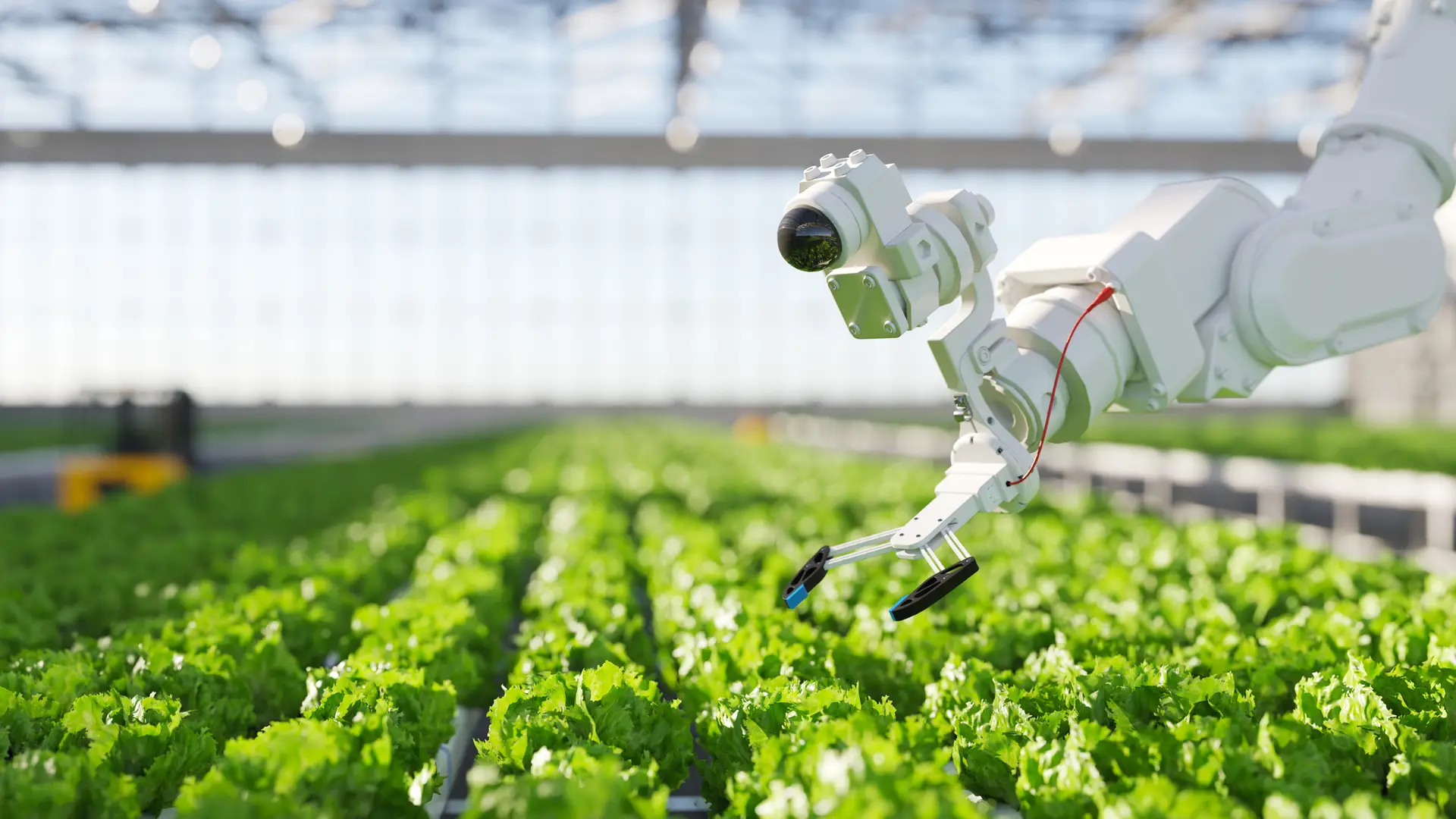
Long perceived as resistant to technological advances, the agricultural sector is now constantly evolving thanks to the integration of new technologies into its traditional practices. Innovations such as field sensors, robotics, and AI are profoundly transforming this historic sector, offering new career opportunities for people seeking meaningful work. Discover in detail the impact of new technologies on farm management.
New technologies in the agricultural sector
Recently, the agricultural sector has been reinventing itself through contact with new technologies. From intelligent data analysis to robotics and process automation, technological innovations are benefiting farms:
Precision agriculture
Precision agriculture refers to the use of new technologies to efficiently manage agricultural resources. It enables data to be collected and analyzed to optimize resource use, thanks to various technologies:
- Field sensors. These innovative tools measure various data such as soil moisture, plant growth, and nutrient levels. The information collected is then analyzed to target the needs of each plot of land, reducing waste, lowering costs, and increasing yields.
- Drones and GPS. GPS allows fields to be mapped accurately and farm management to be monitored in real time. Drones enable problems to be identified by providing an aerial view of farms and crops.
- Farm management software. These valuable tools collect various data and analyze it to optimize production processes. They make everyday life easier for agricultural professionals by providing key recommendations (ideal time to sow, ideal amount of inputs to use, etc.) or alerts (water stress, pests, etc.).
These technologies are particularly beneficial for agricultural management as they increase efficiency and save money while improving the quality of yields.
Automated agriculture
Automating repetitive manual tasks and robotics save time, reduce labor costs, and eliminate physically demanding work. Farms are beginning to integrate several automation and robotics technologies:
- Agricultural robots. Equipped with GPS and sensors, autonomous tractors and combine harvesters can operate with almost no human intervention. Precision, obstacle avoidance, and coordination with other machines are among their strengths, as are soil preparation and field harvesting, all done autonomously... or at least without constant human presence! We should also mention weeding robots, which eliminate weeds and thus reduce the use of chemicals.
- Greenhouse automation. Modern greenhouses are becoming increasingly automated in order to control climate, fertilization, and irrigation automatically. To do this, automated systems use sensors to monitor various parameters and adjust them independently to boost plant growth.
Other technological tools used
There are many other tools used in the agricultural sector. These vary from one farm to another. Examples include smart weighing systems, connected herbometers, and heat and calving detectors.
The benefits of new technologies in farm management
New technologies are having a positive impact on farms. Productivity, efficiency, environmental and economic sustainability... the benefits are numerous and considerable:
- Resource optimization and cost reduction: new technologies such as precision farming and automation make it possible to reduce costs while optimizing inputs.
- Environmental preservation: new agricultural technologies reduce the use of chemicals, thereby reducing soil and water pollution. In addition, environmental monitoring systems offer the advantage of measuring the impact of agricultural practices on the environment and adjusting them to limit negative impacts.
- Improved harvests: new technologies help optimize yields and the quality of agricultural products.
- Anticipating climate change: new technologies—such as weather forecasting systems and water management tools—give agricultural professionals greater visibility into weather conditions. They can then organize their activities accordingly.
How can you learn about new agricultural technologies?
New agricultural technologies are playing an increasingly important role in the agricultural sector and continue to develop, slowly but surely. To pursue a career in this sector, it is therefore essential to be familiar with these various technologies, understand the challenges they present, and learn about their different applications. In France, there are several training programs that provide a pathway to careers in the agricultural sector. However, not all of them emphasize new technologies.
The IHEDREA school, located on The Land campus in Rennes, offers several training programs that provide access to careers in the agricultural sector:
- The BTSA in Analysis, Management, and Strategy of Agricultural Businesses (ACS-AGRI) as an apprenticeship.
- The BBA Agri & Agro Manager work-study program.
- The MCS Management & Agricultural and Agri-Food Expertise work-study program.
Through a comprehensive, professional training program and input from industry experts, students develop key skills to address major challenges in the agricultural sector, such as technological challenges and environmental preservation. The curriculum combines theoretical and practical courses to prepare students for the realities of the field.
After completing the BTSA or BBA, you can choose to enter the workforce or continue your studies up to the MCS level in order to access positions with greater responsibility.
Here are some of the careers you can pursue after completing the three training courses:
- Farm manager
- Crop Manager
- Agricultural advisor
- Advisor, legal expert in rural law in the agricultural sector
- Agricultural business advisor providing strategic support
- Rural economic, management, and tax advisor
- Agricultural union advisor
- Land, agricultural, and forestry expert
- Agricultural business manager, farm supervisor, farm management control
- Chief Executive Officer or Deputy Director
- Store or profit center manager
- Director of Labor Relations
- Sales Director or Assistant Director
- Marketing Director or Assistant Director
As you can see, new technologies such as automation and precision farming are having a positive impact on farm management. More and more farms are investing in these innovative tools in order to meet the major challenges facing the sector... hence the importance of learning how to use them effectively by taking a specialized training course.

